



2024_Cohort 6
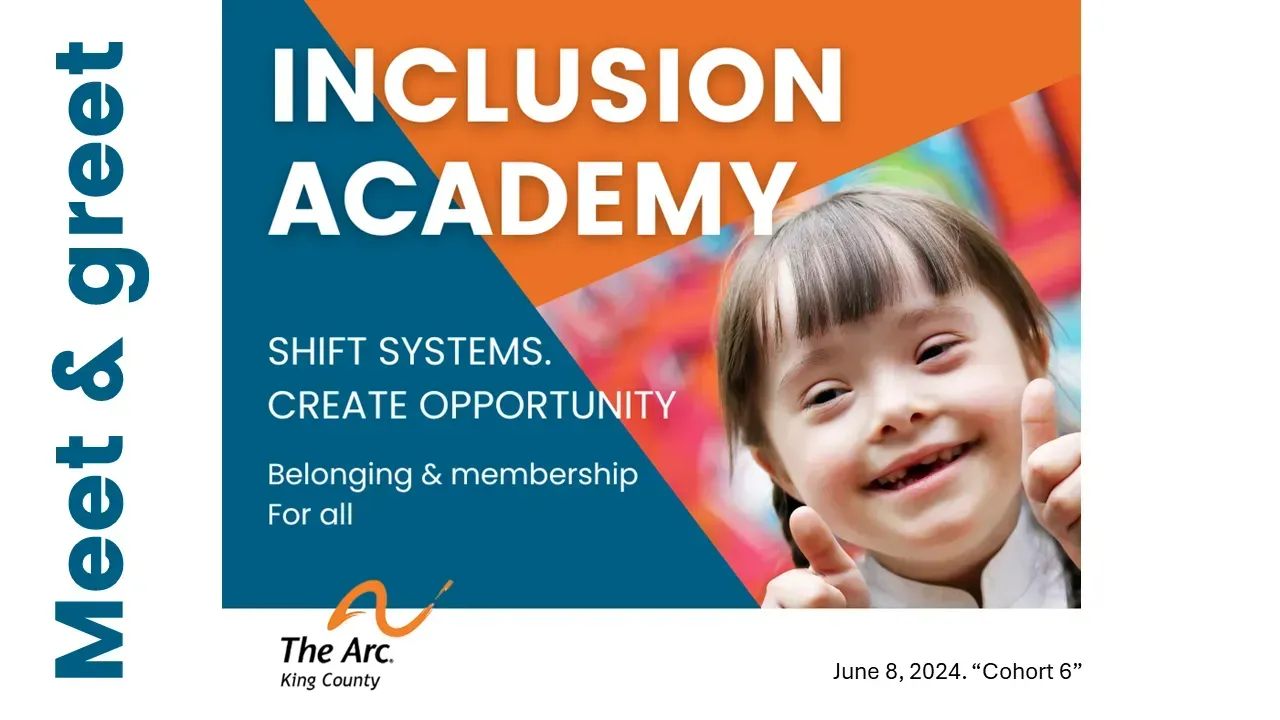
June 8, Meet & Greet presentation
June 13, Class 1. What Kids Need to Thrive. The research basis for inclusive learning
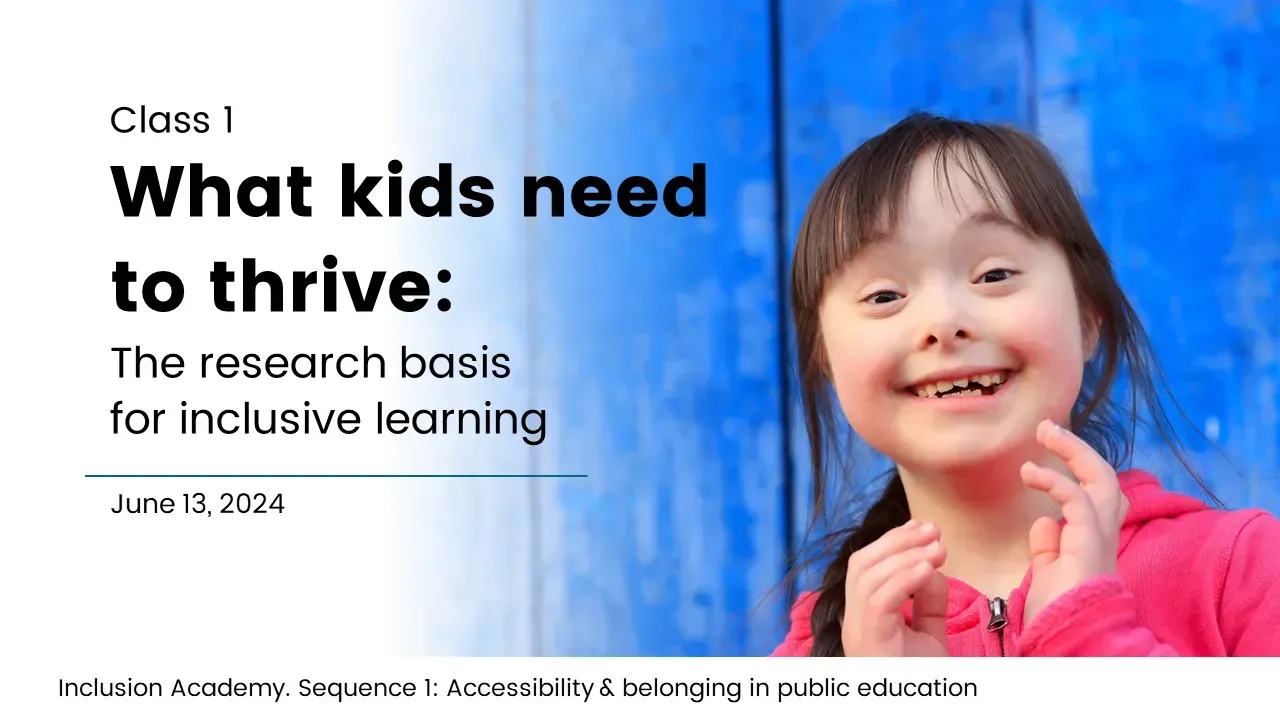
Click on image for presentation materials.
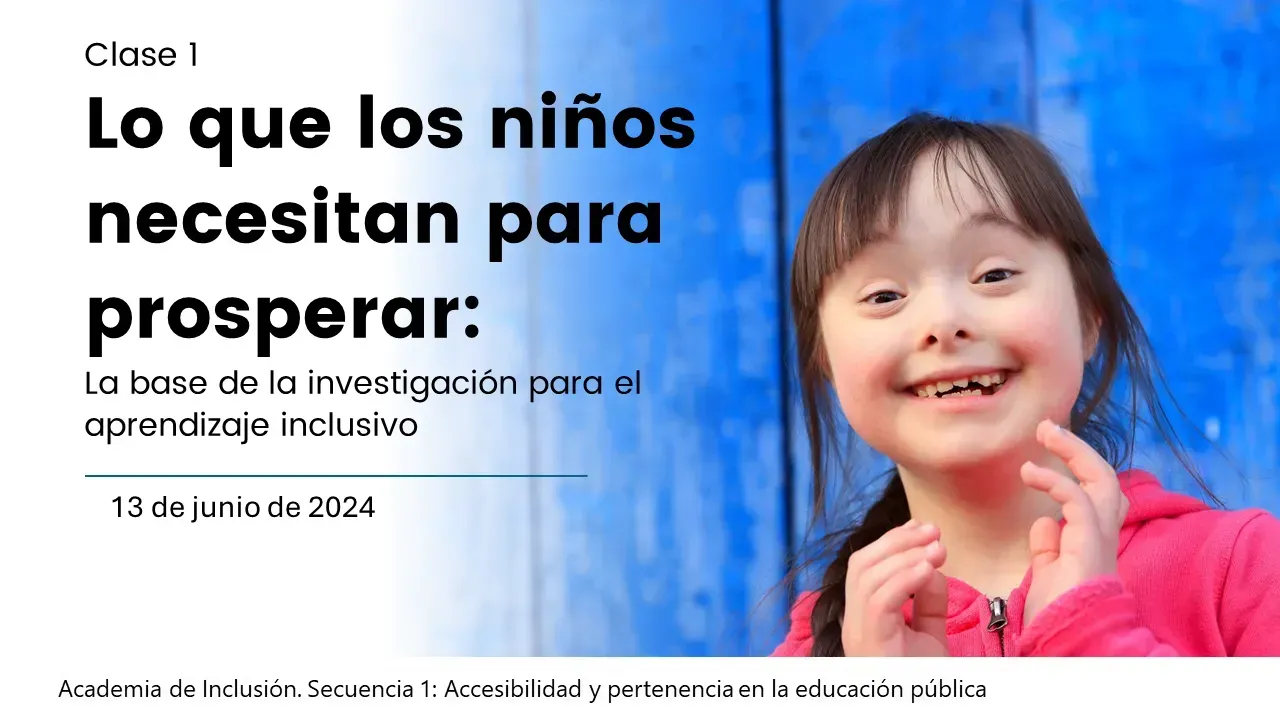
Haga clic en la imagen para ver los materiales de presentación.
A recap of inclusion & belonging in learning, and related vocabulary.
Our state Office of the Superintendent of Public Instruction created this resource as part its Inclusionary Practices Pilot Program, which has since transitioned into the Inclusionary Practices Technical Network (IPTN)
Excerpted from Inclusion Evolution. Highlights used in the class presentation
Resources from the TIES Center, focusing on the dimensions of belonging
Dr. Debra Ren-Etta Sullivan with the Seattle Black Child Development Institute, talks about how professionals can set pathways very early on that are difficult for children to leave. "Structurally, we create programs that segregate children based on what we think they need, probably forever."
A reflection toolkit for school communities, checking on each of the dimensions of belonging. From the TIES Center
A great visual!
(The bowling video)
Downloadable pdf. From Abt Associates, in partnership with the Harvard Graduate School of Education
A great resource for inclusive preschool.
From TASH, and international disability advocacy oranization.
"Many times when special education services are discussed the emphasis is on location. - 'This student needs a special education classroom.' 'This student needs an autism classroom.' 'This student needs a classroom for students with emotional behavior disorders.' - What is not always discussed, is the services and supports that a student needs. In addition, the discussion should focus on is how (if at all) those supports could be provided by the local school and the classroom they would attend if they didn’t have a disability." - Tim Villegas
United Nations, Convention on the Rights of Persons with Disabilities
It is the departments’ position that all young children with disabilities should have access to inclusive high-quality early childhood programs, where they are provided with individualized and appropriate support in meeting high expectations.
(Statement covers research and legal basis, barriers, policy recommendations for state agencies and school districts, and resources)
- 2023 update: Inclusion of Children with Disabilities in Early Childhood Programs
- Dear Colleague: Policy guidance on placement of preschool children
- Brain science: Resources from the Center on the Developing Child at Harvard University
Infographics, articles, and videos on the brain science behind child development, especially the connection between relationship, skills, and stress reduction and later ability to navigate and mitigate severe stress. The body of work is foundational to public policy strategy in Washington and other states.
In this 4-minute video, Dr. Sarah Lytle, with the Institute of Learning and Brain Science (I-Labs) at the University of Washington, shares a great description of brain development occurring in three phases of blooming, pruning, and thriving, and how nurturing relationships are so valuable to kids as they are building and refining those rapid connections. Part of UW's WithinReach Virtual Learning Series.
The principal of an internationally recognized trauma-informed school explains what this form of education is—and what it isn’t.
June 20, Class 2, Disability Rights: The Legal Basis for Inclusive Learning
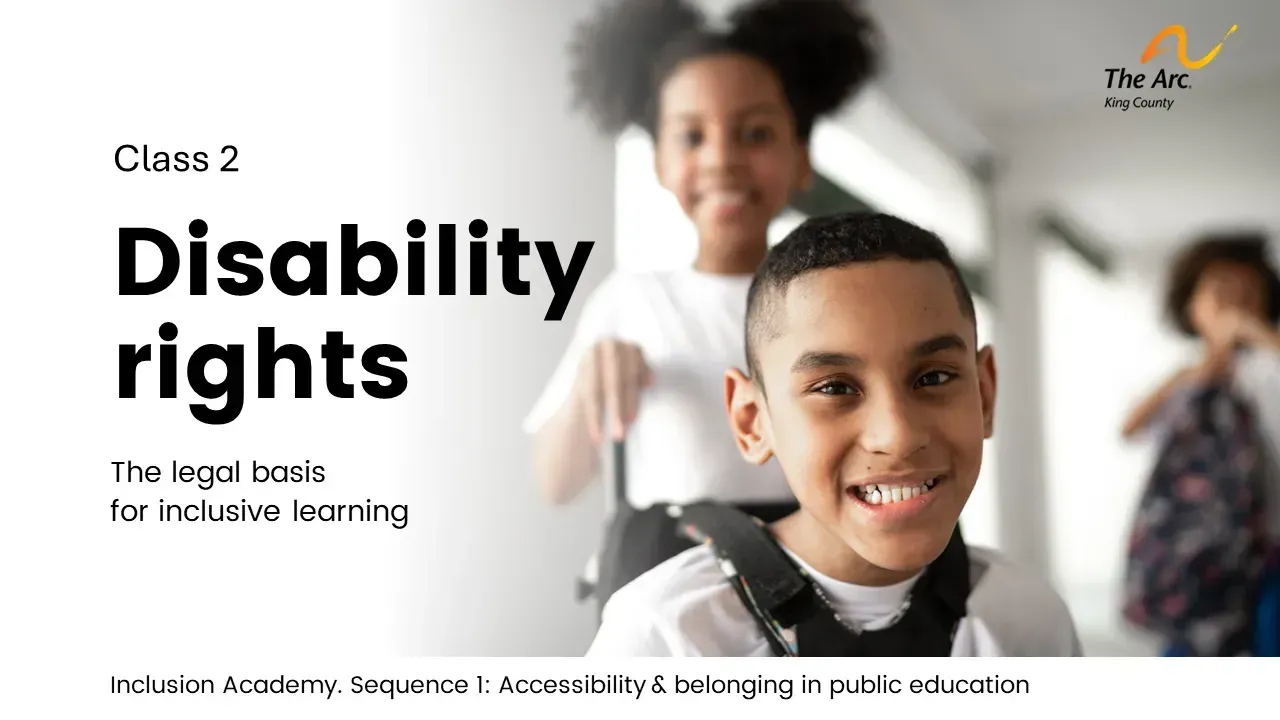
Click on image for presentation materials
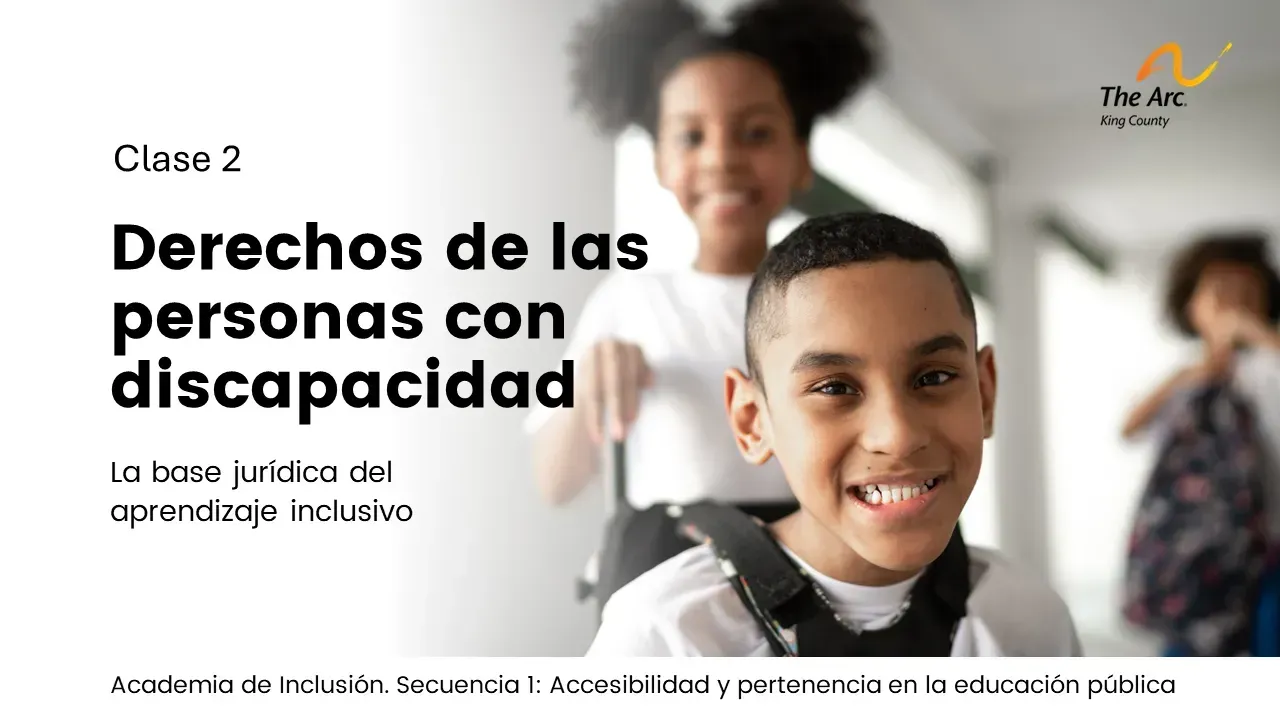
Haga clic en la imagen para ver los materiales de presentación.
June 27, Class 3, UDL & MTSS (?!) - Rethinking accessibility
Click on image for presentation materials
Haga clic en la imagen para ver los materiales de presentación.
July 11, Class 4, How school systems are organized
Click on image for presentation materials
Haga clic en la imagen para ver los materiales de presentación.
July 18, Class 5, Building a movement
Click on image for presentation materials
Haga clic en la imagen para ver los materiales de presentación.